Must-Know for International Students in the US! How to Turn Your Status Around Amid the Layoff Wave
Nowadays, layoffs at big tech companies are no longer occasional news, but are becoming the new normal in the tech industry.
Recently, Microsoft has reportedly initiated another round of layoffs, affecting multiple sectors including Xbox gaming, sales, and consulting. Notably, Microsoft is not laying off employees due to financial difficulties. On the contrary, its cloud business is still growing, and its profit performance remains outstanding.
This also highlights a reality: today's layoffs at big tech companies are not necessarily because they are unprofitable, but because enterprises continuously adjust their staffing structures based on business direction, cost pressures, and organizational efficiency.
Under the wave of layoffs, how much confidence is left in international students' dreams of staying in the US?
Layoffs are not isolated cases, but an industry trend
In the short term, layoffs are unlikely to stop.
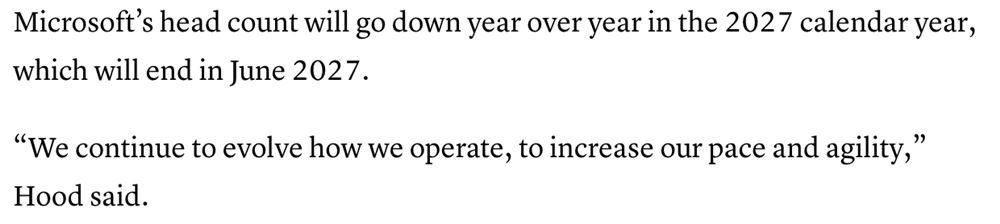
Microsoft has actually already signaled this. During the earnings call in April this year, Microsoft CFO Amy Hood stated that the company's total headcount will decrease year-over-year in calendar year 2027. In other words, personnel adjustments are not a one-time, short-term action, but may continue for some time into the future.
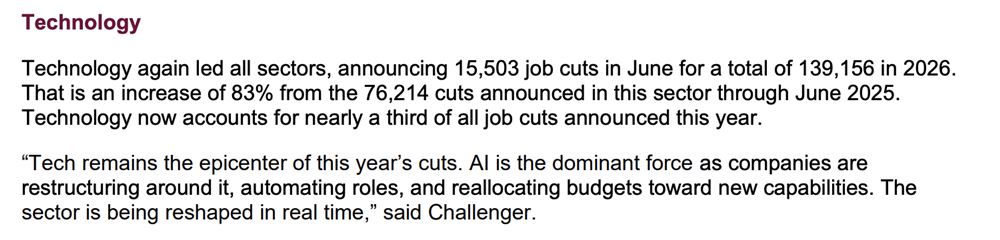
If we expand our view to the entire US tech industry, this trend becomes even more obvious.
According to statistics, in the first half of 2026, the US tech industry has announced 139,000 layoffs, a staggering 83% surge compared to the same period last year.
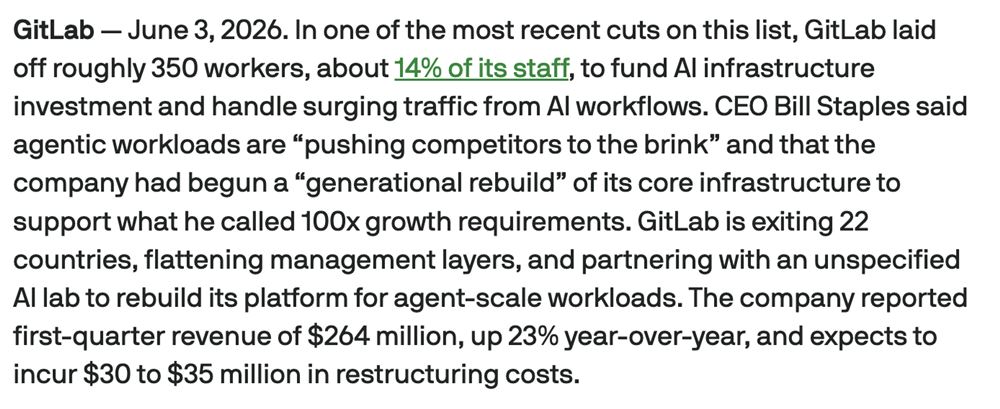
Meanwhile, Microsoft is not the only company involved in layoffs. GitLab laid off 350 people, accounting for about 14% of its total workforce.
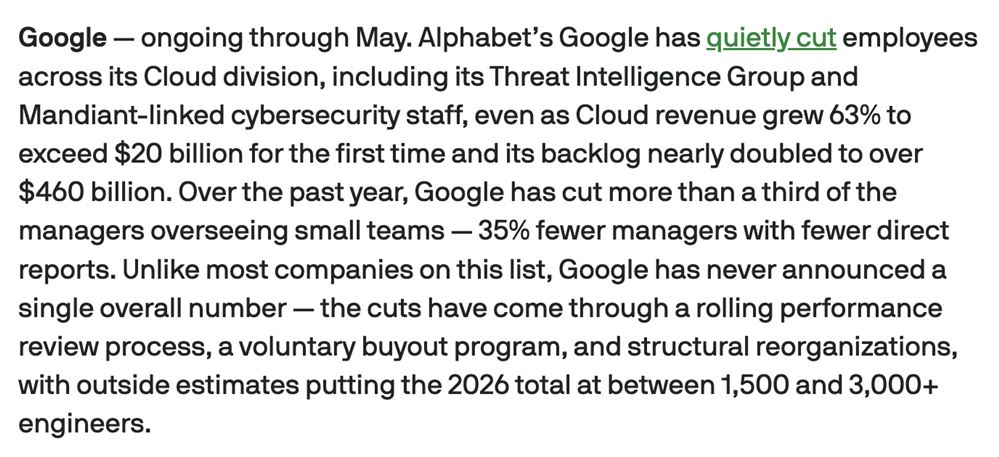
Google's direct employees were cut by 35%.
Meta laid off 8,000 people and reassigned 7,000 employees.

Intuit laid off about 3,000 people, representing 17% of its total workforce.
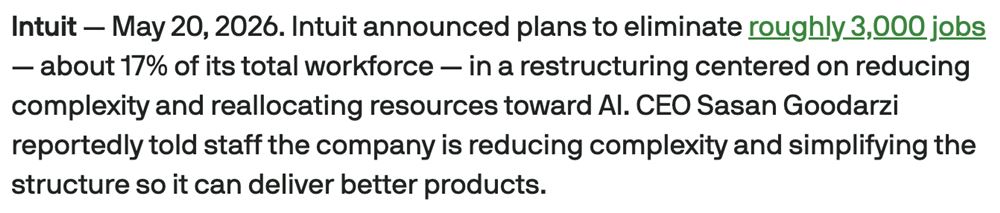
Looking at these data points together, the signal is very clear: there are still opportunities at big tech companies, but big tech no longer equates to stability.
In the past, many international students viewed entering big tech companies as a key step to developing their careers in the US. As long as they secured an internship or a full-time offer, they seemed to be able to progress step-by-step along the path of OPT, H-1B, and green card.
But now, frequent layoffs, accelerating job changes, and slowing recruitment paces mean that the uncertainty along this path is increasing.
Under the Impact of Layoffs, Visa Status Risks Rise Simultaneously
For local US employees, layoffs mean looking for a new job.
But for international students and H-1B holders, layoffs affect not only career development, but also legal status.
Especially for H-1B, it is highly dependent on the employer by nature. Once laid off, applicants usually need to find a new employer to sponsor their status within a limited grace period, or transition to another legal status. However, during a phase of intensive industry layoffs, reduced job openings, and more cautious corporate hiring, finding a suitable new opportunity in a short time is no easy task.
This is also the biggest difference between international students and local job seekers.
While others lose a job, international students may simultaneously face multiple pressures such as work interruption, status expiration, and disrupted plans to stay in the US.
More realistically, H-1B itself carries uncertainties regarding the lottery and employer sponsorship. Even if a student is highly capable, has a great academic background, and successfully secures an offer, they still have to face issues such as lottery results, whether the company supports the petition, and whether the position is stable in the long run.
When layoffs become the industry norm, betting one's entire future on a single employer, a single offer, or a single H-1B lottery is becoming increasingly risky.
Planning to Stay in the US: You Cannot Just Look at the Offer
The tech industry is still worth striving for, and big tech offers are still valuable. However, for families with long-term goals of staying in the US, today's planning cannot just stop at the level of “whether the child can find a job.”
Career planning solves: whether one can enter the US job market.
Status planning solves: whether one can stably stay and develop in the US.
If a child plans to study, intern, and work in the US in the future, the family needs to think about the status path much earlier. This is because in the event of layoffs, job adjustments, failing the H-1B lottery, or changes in employer policies, having a proactive status arrangement in advance is the only way to reduce vulnerability.
In other words, immigration status is not an issue to be considered only after graduation; instead, it should be planned ahead of time along with studying abroad, internships, and job hunting.
EB-5 Becomes an Alternative Status Option for More Families
Against the backdrop of increasing uncertainty in the H-1B path, EB-5 investment immigration is becoming an option of interest for more families planning for the US.
Compared to the work visa path that is highly dependent on employers, EB-5 focuses on compliant investment and job creation, providing applicants with a path to plan for US permanent residency in advance.
Its value lies not only in obtaining a green card, but also in helping families reduce their reliance on a single employer, a single position, and lottery mechanisms.
For families whose children are currently studying in the US, preparing for employment there, or hoping for long-term development in the US in the future, EB-5 can serve as an important status configuration alongside career planning.
With legal status, children will have more room for choice when job hunting;
With legal status, they can be more composed when facing layoffs and job changes;
With legal status, they will have greater initiative in future education, internships, employment, and long-term development.
Especially under the new EB-5 law, rural projects currently hold high window value. Advantages such as no backlog for rural projects, priority processing, and allowing "concurrent filing" for applicants who are legally in the US when there is no backlog, provide a more flexible status path for many families with US plans.
However, policy dividends will not last forever. As reserved quotas continue to be consumed, the risk of hidden backlogs is emerging; on January 1, 2027, the minimum investment amount may also be raised from $800,000 to $900,000–$950,000 or even higher, and the grandfathering clause will expire on September 30. For families with clear plans to stay in the US, the earlier they evaluate, the better their chances of seizing the current window.